Sump Pump Installation in Dayton, OH
A sump pump collects groundwater in a pit below the floor and pushes it outside, away from the walls. If your home in Dayton, OH has a basement with a worn-out pump, or no pit at all, you can ask, through this free referral service, for one independent local contractor to reach out.
Not sure if we cover your area? Check now ↓
Basement Estimate Request
Takes about 30 seconds. One local contractor gets it and contacts you.
Your details go to one independent contractor who works around Dayton, OH, and that contractor gets in touch with you directly. See our Referral Marketing Disclosure.
Choosing the Right Sump Setup
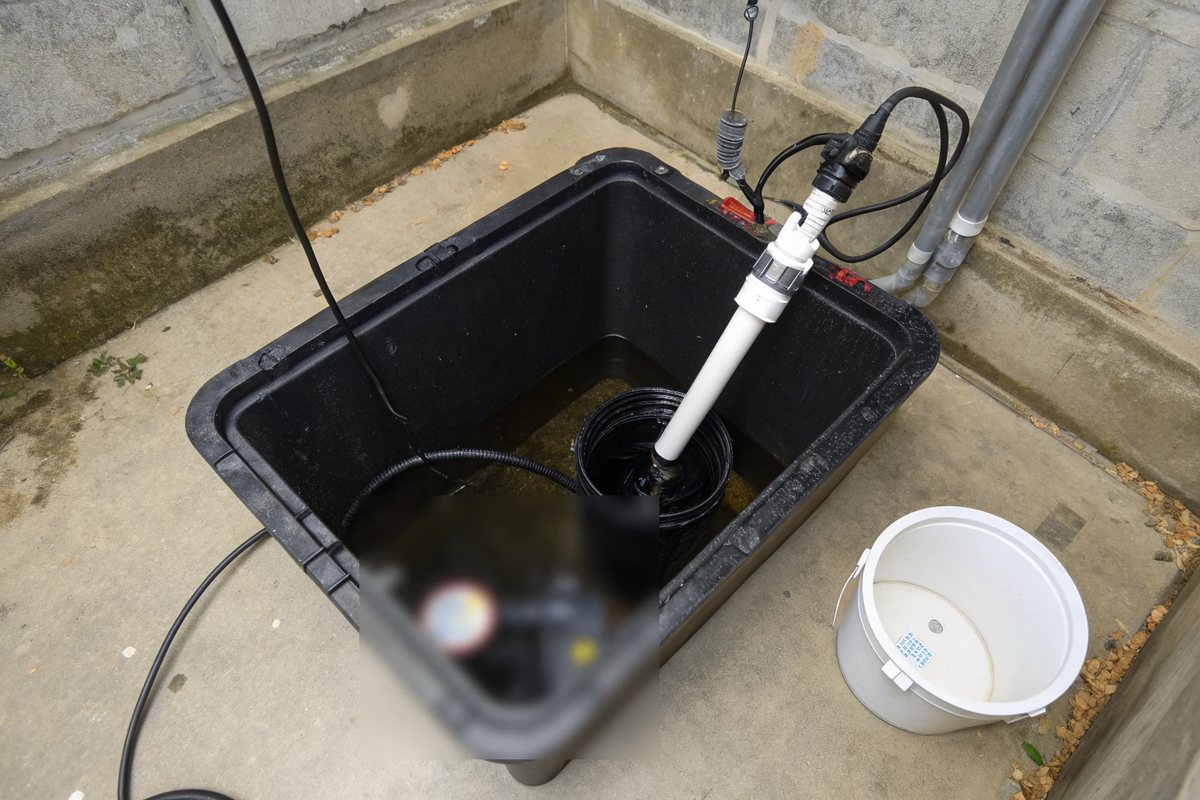
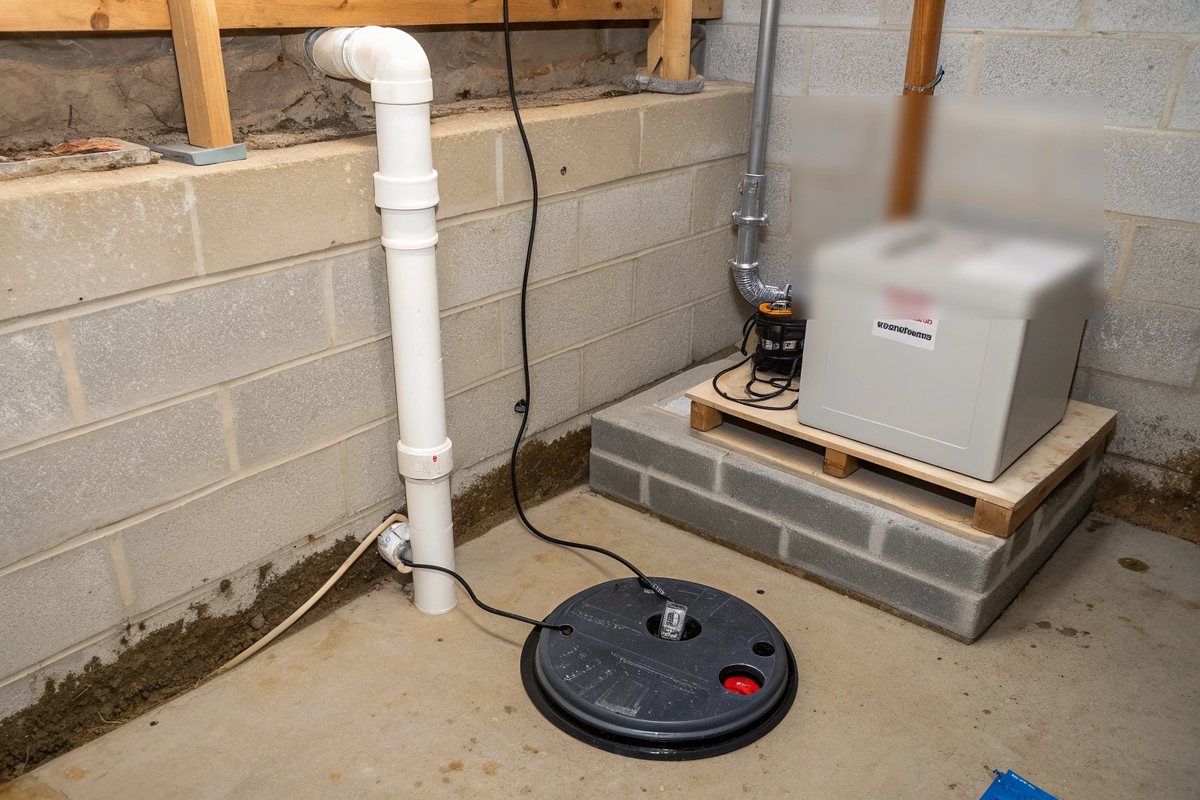
Each setup has three working parts. A lined basin sits in the floor at a low spot, fed by drain tile or gravel under the slab. A float switches the pump on as the level rises, and the discharge pipe lifts the water out past a check valve. The real choices are pump size, pedestal or submersible, and a backup.
Spring can keep a pump busy here. USDA soil scientists note that Miamian, Ohio's state soil, which was first described in Montgomery County, can hold perched water roughly 2.5 to 3.5 feet below the surface between January and May. The typical Dayton home dates to about 1951 (Census survey data), and an older basement may never have had one.
Pumped water belongs outdoors, well clear of the foundation and the house next door, never in a floor drain, a laundry tub or a sewer line; a licensed plumber or the City of Dayton (or your town) can say where it should land. Any link between a sump line and a drain or sewer pipe is a licensed plumber's job under a permit, and a new circuit or outlet may call for an electrician and an electrical permit.
Where Sump Pump Installation Fits
- Replacing a tired pump. One that cycles nonstop or leaves water standing gets swapped in its basin.
- A first basin. A lined pit is set into a low corner of the slab, often where new tile ends.
- Battery backup. A second pump keeps going if the main one stops or the power drops.
- High-water alarm. It sounds before rising water reaches the floor.
- Outdoor discharge line. Lengthened or rerouted so water lands out in the yard.
The Work, Start to Finish
- First contact. The one independent contractor who receives your form gets in touch, and you decide together whether it comes by.
- The pit itself. Basin, pump, float, valve and the pipe's exit, plus how often the pump runs in spring.
- Pricing on paper. Model, backup or alarm, outdoor outlet point and a total.
- Permits. Dayton requires City permits for structural repairs and new or altered plumbing or electrical work; the contractor asks Building Services, 937-333-3883, what this scope needs. Riverside, OH and Trotwood, OH use Montgomery County's Building Regulations Division, 937-225-4622.
- A test fill. Water poured in should start the pump, empty the pit outdoors and trip the alarm.
Costs to Expect
| Cost row | Figure | Source (year) |
|---|---|---|
| Typical basement waterproofing project | about $3,000 to $10,000 (average about $5,000) | Fixr national (2026) |
| Interior perimeter drain, per linear foot | $40 to $120 | Fixr national (2026) |
| Sump pump installation | $600 to $2,500 | Fixr national (2026) |
| Epoxy crack injection, per crack | $250 to $1,000 | Fixr national (2026) |
| Waterproof paint or sealant, per sq ft | $1 to $8 | Fixr national (2026) |
These are Fixr's 2026 national figures; nobody publishes sump prices for Dayton or Ohio. A plain swap sits toward the low end, a new pit through an old slab toward the top. Plumbing connections, backwater valves and new circuits are priced by those trades, and no City, County or town program pays toward any of it. The cost guide has worked totals; the cost calculator takes your own answers.
Less Hassle, Clearer Answers
Knowing the parts and the ranges makes one written estimate simple to check. Your form goes to a single independent local contractor; you pay nothing and get nothing, and the contractor may pay this site a flat sum to advertise. The site installs nothing.
The checking is yours, since Ohio has no state license for waterproofing. For plumbing or electrical work on a Dayton job, ask Building Services whether the person doing it is registered with the City, and request insurance certificates, recent customers and a written warranty. If a dispute stalls, the Ohio Attorney General's Consumer Protection Section accepts complaints.
Common Questions
Can the sump empty into a floor drain or laundry tub?
No. Both run to the house's sewer line, which is no place for groundwater. If your line ends indoors, ask a licensed plumber about rerouting it; changing any drain or sewer connection is permit work.
Does a backwater valve do the same job?
No. The pump moves groundwater from under the floor to the yard. A backwater valve is a plumbing fitting on the sewer pipe that closes against sewage flowing back toward the house. Ask a licensed plumber whether one fits your home; it goes in under a permit, at the owner's cost.
When should I test the pump?
Late winter. WHIO's April 4, 2025 report had plumbers describing sump-pump failures and flooded basements as more rain arrived, and April 5 brought Dayton a record 1.65 inches, per the National Weather Service. Pour a bucket into the pit and watch it cycle.
Water came up through the floor drain. Will a sump help?
Probably not; that usually signals a sewer backup, not seepage. Dayton's sanitary and storm sewers are separate, and Dayton addresses report backups to the City's Sewer Maintenance Bureau, 937-333-4905. Homes on Montgomery County's MCES sewers, such as Riverside, OH, use what MCES labels its 24-hour line, 937-781-2678; other towns have their own offices.
You May Also Need
A pit needs water fed to it, so see basement drainage; a lone wet patch is a matter for basement leak repair, a split wall for foundation crack repair, and a plan for every wall for full basement waterproofing.
Ready for a Working Sump Pump?
Use the form to say whether there's a pit, how hard the pump works and where water appears. One independent local contractor serving Dayton receives it, gets in touch, takes a look and writes up any estimate. No one can promise a dry floor; any work is between you and that contractor. Sending the form is all it takes.