Full Basement Waterproofing in Dayton, OH
Full basement waterproofing in Dayton, OH gives groundwater a planned way out before it reaches the living space, through a drain and sump inside or a membrane on the outer face of the walls. Below are both methods, national prices and a way to ask one independent contractor to reach out.
Not sure if we cover your area? Check now ↓
Basement Estimate Request
Takes about 30 seconds. One local contractor gets it and contacts you.
Your details go to one independent contractor who works around Dayton, OH, and that contractor gets in touch with you directly. See our Referral Marketing Disclosure.
What Basement Waterproofing Involves
Waterproof paint coats the inside of a wall, yet the water arrives from outside, pushed by wet soil. After days of soaked ground, that push can blister the coating and leave a white, powdery crust. Paint may calm dampness but rarely holds back pressing water.
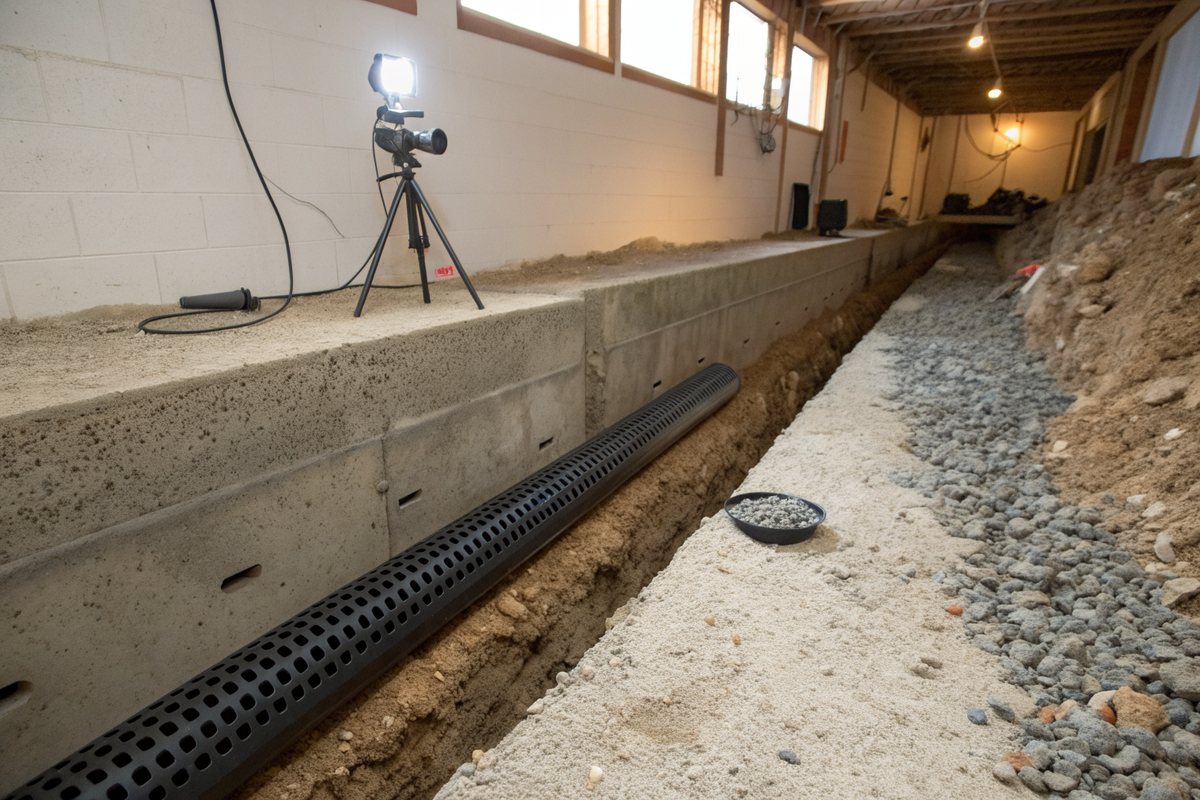
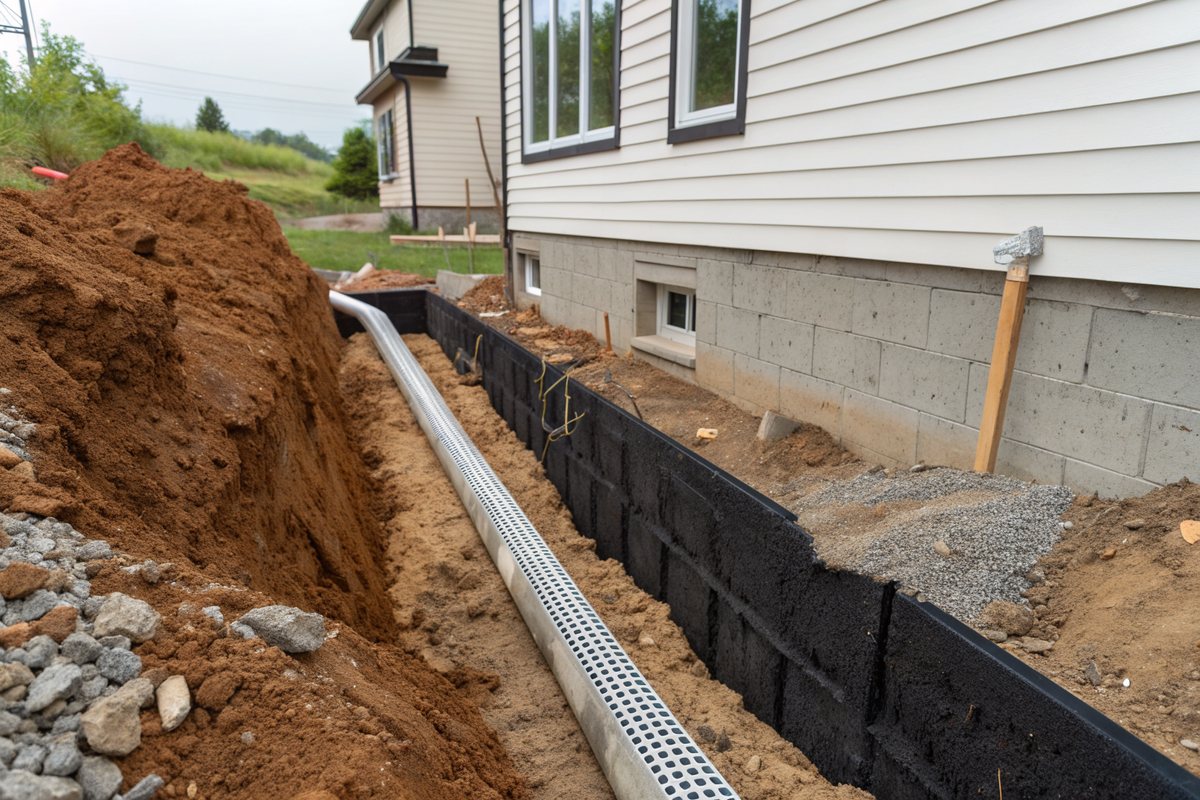
So most full systems collect water instead of fighting it. Inside, a trench is sawn through the slab beside each wet wall, perforated pipe is bedded in washed stone and run to a pit, where a pump lifts the water outdoors. Outside, crews dig to the footing and seal the wall with a membrane, which keeps masonry drier but tears up lawns and walks.
Census survey data date 36.7% of Dayton's homes to 1939 or earlier and about 65% to before 1960, so many rest on aging brick, block or poured walls. Newer homes, including many in Vandalia, OH, can differ, and not every house has a full basement. Miamian, Ohio's state soil, was first described in Montgomery County; USDA scientists note its slow clay-loam subsoil can hold perched water 2.5 to 3.5 feet down from January to May.
Where Basement Waterproofing Fits
- Drain and sump inside. Pipe along the footing line gathers seepage from the floor seam and carries it to a pit, where a pump sends it outside.
- Membrane outside. Digging out the wettest wall lets its outer face be sealed from the soil side.
- Walls prepared first. Open cracks injected and loose joints repointed before a system goes in.
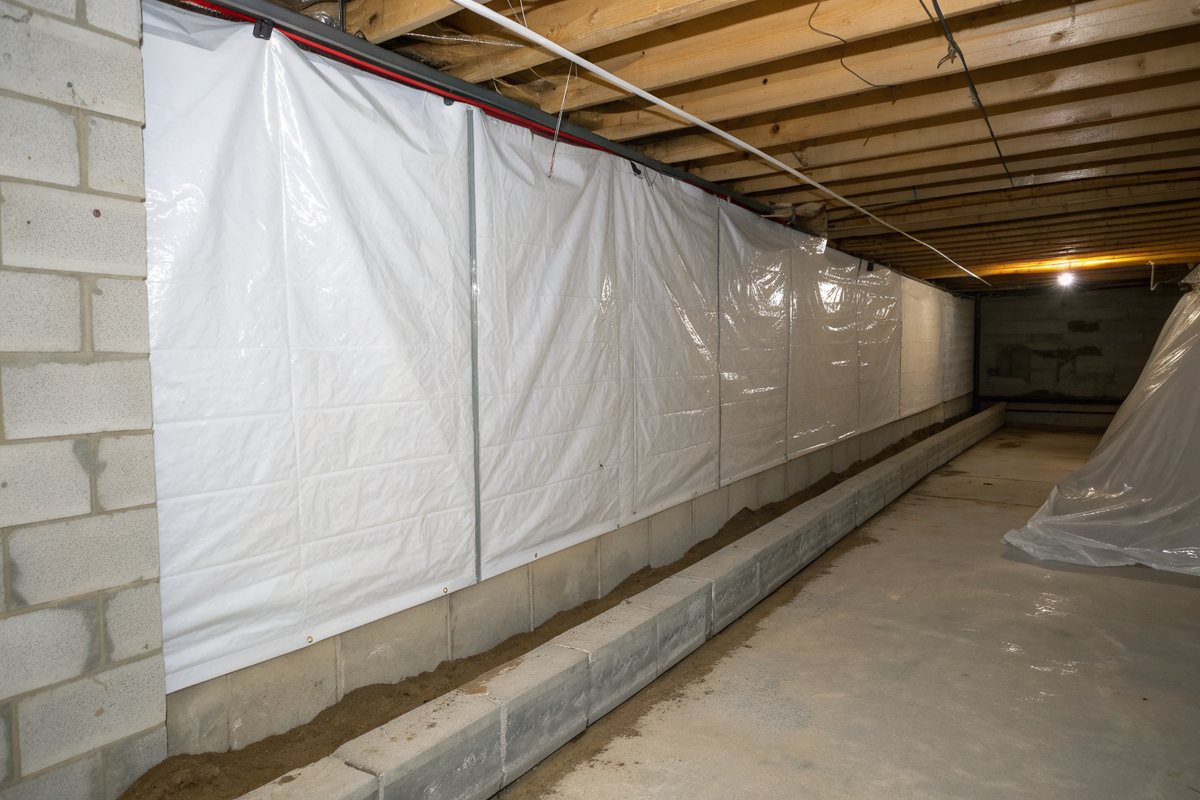
- Summer humidity. A vapor barrier and a dehumidifier can tame the clammy air of an Ohio summer.
Plumbing sits outside the waterproofing itself. Tying a sump line into a drain or sewer, adding a backwater valve or repairing a lateral is for a licensed plumber working under a permit; in Dayton, ask whether that plumber holds City registration. Pumped water should land in the yard, clear of your walls and the house next door, never down a floor drain, laundry tub or sewer pipe. Wiring a new pump outlet can call for an electrician and its own permit.
Costs to Expect
| Cost row | Figure | Source (year) |
|---|---|---|
| Typical basement waterproofing project | about $3,000 to $10,000 (average about $5,000) | Fixr national (2026) |
| Interior perimeter drain, per linear foot | $40 to $120 | Fixr national (2026) |
| Sump pump installation | $600 to $2,500 | Fixr national (2026) |
| Epoxy crack injection, per crack | $250 to $1,000 | Fixr national (2026) |
| Waterproof paint or sealant, per sq ft | $1 to $8 | Fixr national (2026) |
Each row is a national Fixr figure (no Dayton or Ohio price source exists) and not this site's price. Age, wall type, access and how many sides need work shift the total; plumbing pieces are priced separately by a licensed plumber. The cost calculator gives a rough starting number.
The Work, Start to Finish
- A walk around. Contractors typically check walls, window wells, downspouts and yard slope, and ask when water appears.
- A plan by wall. Interior drain, exterior membrane or a mix, with reasons given.
- An itemized estimate. Feet of drain, pump details, discharge point, materials and price, line by line.
- Permits. In Dayton, structural work and any plumbing or wiring changes go through City permits, while a drain-and-sump job depends on its scope; the contractor checks with Building Services, 937-333-3883. For Riverside, OH or Trotwood, OH, the permit desk is the County's Building Regulations Division, 937-225-4622; other towns run their own.
Less Hassle, Clearer Answers
The form passes your request to be contacted to a single independent contractor, who takes it from there. This referral and advertising service waterproofs nothing, prices nothing and signs nothing; contractors may pay it a flat sum to advertise (nothing yet, during a free trial), and you owe it nothing.
Ohio has no waterproofing license, so the contract carries weight. Ask for one both sides sign naming the walls, feet of drain, pump, discharge point, materials, price, payment dates and warranty. Above $25,000, Ohio law (ORC 4722) requires a written contract and an estimate of excess costs, and bars charging for extras the owner hasn't agreed to. Pay in stages, never everything up front.
Common Questions
Will waterproofing help with water coming up the floor drain?
No. That points to a sewer backup, which no wall system touches. Dayton homeowners report backups to the City's Sewer Maintenance Bureau at 937-333-4905, and addresses on County sewers to MCES at 937-781-2678. Whether a backwater valve makes sense is a licensed plumber's call; it needs a permit, and no local program pays for one.
With no Ohio waterproofing license, what can I verify?
If plumbing, electrical or HVAC work is part of a Dayton job, Building Services can tell you whether the tradesperson is registered with the City. Ask for liability and workers' compensation certificates, several recent customers and a local address. A deal signed at home may generally be undone up to midnight of the third business day; complaints go to the Ohio Attorney General's Consumer Protection Section.
You May Also Need
One wet spot may only need basement leak repair or foundation crack repair; pumps and yard water have their own pages, sump pump installation and basement drainage.
Get a Written Waterproofing Estimate
Before sending the form, note which walls get wet and when. The one independent contractor who receives it gets in touch, comes to see the walls and prepares an estimate of its own. Going ahead is your decision, and nobody can promise a basement that never takes on water. The short form below is the place to start.