Basement Leak Repair in Dayton, OH
Basement leak repair in Dayton, OH begins with one question: did the water seep through a wall or floor edge, or did it rise out of a floor drain from the sewer? The answer decides who deals with it, and a short form can ask one independent contractor to contact you.
Not sure if we cover your area? Check now ↓
Basement Estimate Request
Takes about 30 seconds. One local contractor gets it and contacts you.
Your details go to one independent contractor who works around Dayton, OH, and that contractor gets in touch with you directly. See our Referral Marketing Disclosure.
What a Leak Repair Usually Covers
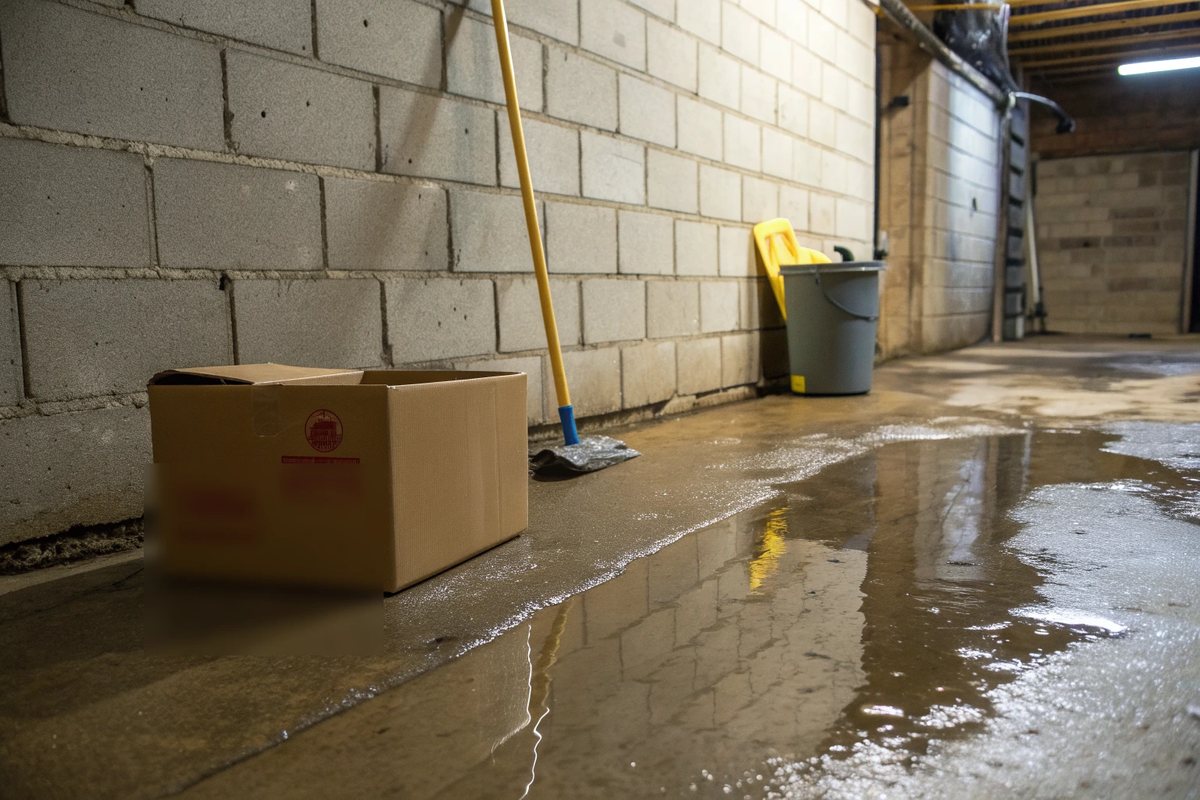
Water usually gets in at a handful of places: the seam between wall and floor slab, a window well that floods in a downpour, tired mortar in block or brick, a crack in poured concrete, or the gap around a pipe through the foundation. It tends to appear after spring rain on thawing ground or a summer cloudburst.
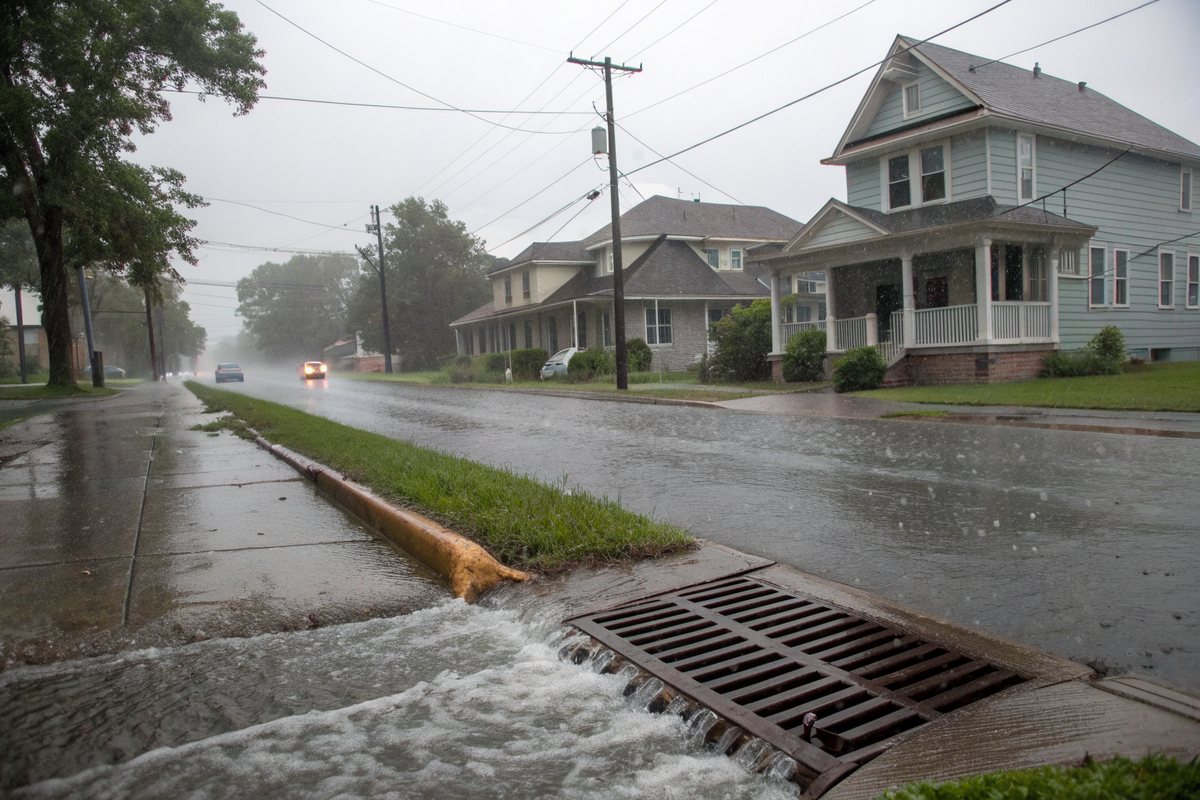
Early April 2025 is a recent example. On April 4, as more rain moved in, WHIO reported plumbers seeing sump-pump failures and flooded basements; the next day the National Weather Service recorded 1.65 inches at Dayton, a record for April 5 that topped 1.37 inches from 1936. On March 3, 2023, Dayton set a daily mark of 2.31 inches, the Dayton Daily News reported. Neither means a basement will leak; both are reasons to test a pump each spring.
Some basement water never touches a wall. The City of Dayton keeps sanitary and storm sewers apart, roughly 765 miles of the first and over 400 of the second. In its annual sewer overflow report, the City's Sewer Maintenance Bureau recorded 91 cases of water in basements over the twelve months to March 31, 2025, and it looks into such calls. Water coming up a floor drain is a sewer question, not a waterproofing one.
Where Basement Leak Repair Fits
- Water at the floor seam. A run of interior drain along the damp wall, sloped to a sump whose pump empties outside.
- A crack that weeps. Resin injection for poured concrete; repointing when water follows block or brick mortar.
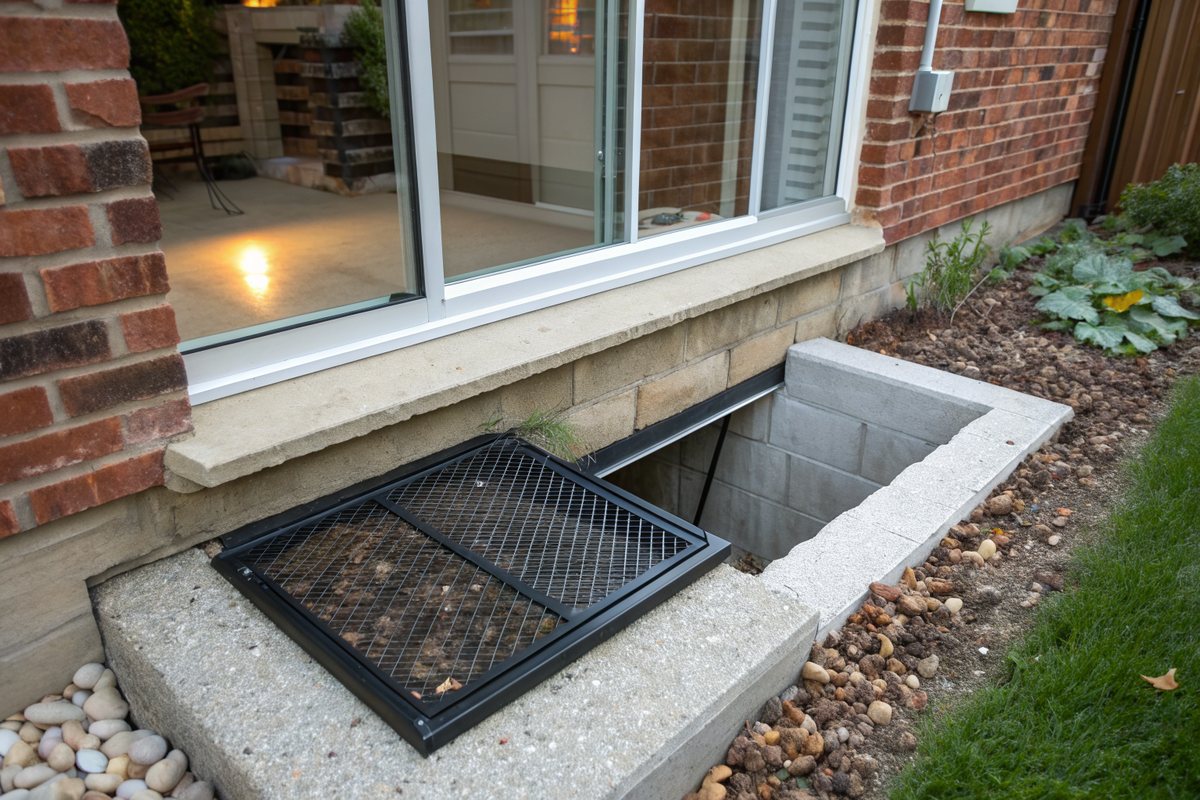
- A window well that fills. Clearing or adding the well's drain, fitting a cover and sloping soil away.
- Gaps around pipes. The opening where a line passes through the foundation, cleaned out and resealed.
Costs to Expect
| Cost row | Figure | Source (year) |
|---|---|---|
| Typical basement waterproofing project | about $3,000 to $10,000 (average about $5,000) | Fixr national (2026) |
| Interior perimeter drain, per linear foot | $40 to $120 | Fixr national (2026) |
| Sump pump installation | $600 to $2,500 | Fixr national (2026) |
| Epoxy crack injection, per crack | $250 to $1,000 | Fixr national (2026) |
| Waterproof paint or sealant, per sq ft | $1 to $8 | Fixr national (2026) |
Fixr publishes these nationally; nobody has published Dayton or Ohio leak-repair prices, and this site sets none. How many walls leak, their age and access decide where a job falls. A backwater valve or private sewer line repair is a plumbing job that a licensed plumber prices on its own. The cost guide covers what else moves a total.
The Work, Start to Finish
- Finding the entry point. Contractors typically trace stains and damp patches back to where water gets in.
- Checking the drain. Water that welled up through a floor drain suggests the sewer, which goes to the sewer owner and a licensed plumber.
- A written repair plan. Method, materials, price and payment stages in a contract both sides sign.
At a Dayton address, the Sewer Maintenance Bureau takes backup reports on 937-333-4905, and the Public Works call center answers general questions on 937-333-4800. Under the City's rule, the homeowner owns the lateral, the pipe running from the house out to the sewer main. Between the house and the curb, a licensed plumber with a permit makes repairs; under the street, City crews do.
Outside the City, the sewer owner changes. All of Riverside, OH, the part of Vandalia, OH below I-70 and some of Trotwood, OH drain to Montgomery County's sewers; MCES lists 937-781-2678 as its 24-hour line for backups. Oakwood, OH, Miamisburg, OH, most of Trotwood, OH and Vandalia, OH north of I-70 take reports at their own public works offices. A licensed plumber can tell you if a backwater valve fits the home; it requires a permit, the owner pays, and no City, County or town program covers one.
Insurance Questions About Basement Water
Plenty of homeowner policies leave out water that seeps in slowly or comes from the ground, and cover for a sewer backup is often a separate add-on. Only your own policy can answer the question, so read it and ask your insurer or insurance agent. This site plays no part in insurance matters and can't say what any policy pays.
Common Questions
How can I tell seepage from a sewer backup?
Groundwater seepage tends to be clean and slow, appearing along the bottom of a wall or through a crack a day or two after soaking rain. A backup rises out of the floor drain, often discolored, while the storm is still under way. Seepage is a waterproofing matter; a backup belongs with the sewer owner and, on the private line, a licensed plumber.
Can the sump empty into the floor drain during heavy storms?
It shouldn't. Pumped water belongs outdoors, far enough from the walls that it doesn't circle back, and away from the neighbors' yards. Ask a licensed plumber or your city where it should go, and leave any tie-in to a drain or sewer to that plumber, under a permit.
You May Also Need
Several damp walls point toward full basement waterproofing, a tired pump to sump pump installation, and an unclear cause to the wet basement checker.
Start Your Leak Repair Request
Note where water collects, what weather brought it, and whether it seeped in or welled up from a drain. After the form is sent, one independent contractor reaches out, sets up any visit itself, looks at the leak and writes its own estimate; any repair is your choice. The brief form below is where it begins.